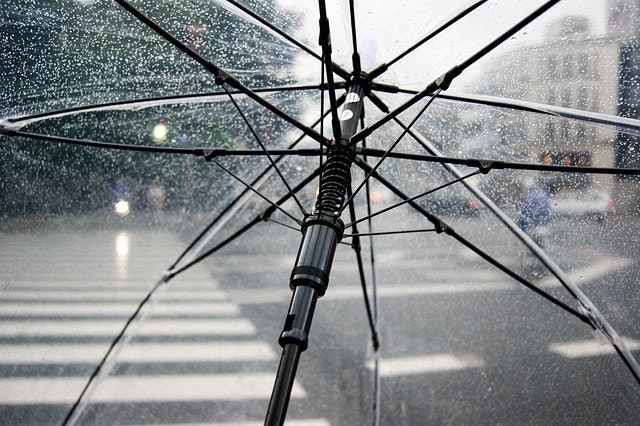
Hurricane Season Readiness Tips for Homeowners
Hurricane season begins each year on June 1, and staying prepared is essential for homeowners both on the coast and inland. Severe storms can bring heavy rain, dangerous winds, flooding, extended power outages, and major disruptions to daily life. Taking time to plan ahead helps protect your home, reduce stress, and keep your family safe.
As a trusted team of insurance agents in Fort Myers, we at Mr Auto Insurance know how important it is to prepare early. Whether you need support with homeowners protection or coverage such as auto insurance Fort Myers, cheap car insurance, motorcycle insurance, RV insurance, boat insurance, renters insurance, condo insurance, business insurance, or commercial auto insurance, staying ready for hurricane season is key to keeping your home and belongings secure.
Below are practical steps to help you feel confident and well-prepared long before the next storm forms.
Build a Well-Stocked Emergency Kit
When a powerful storm moves through, it may take days for essential services like electricity and water to return to normal. Creating a dependable emergency kit ensures your household can manage independently during that time.
Pack enough supplies to last for several days. Include food, drinking water, and any necessary medications for everyone in your home. A helpful guideline is to store at least one gallon of water per person per day.
Consider adding additional items such as:
- Flashlights with backup batteries and a battery-powered or hand-crank radio
- Toiletries, hygiene supplies, and sanitation materials
- First aid essentials and medical items specific to your household
- Formula, diapers, and infant care products if needed
- Pet food, medications, and carriers for household animals
- Comfort items for children such as stuffed toys or blankets
- Portable chargers or power banks for cell phones
- Extra clothing and protective gear suitable for storm conditions
- Cash in small bills in case electronic payment systems fail
- Copies of IDs, insurance policies, and important documents stored in waterproof containers
Gathering these essentials early helps avoid last-minute crowds and makes sure your family is ready for unexpected outages or delays.
Protect Important Documents and Personal Valuables
Preparing for hurricane season is not only about safeguarding your home—it's also about protecting documents and belongings that could be impossible to replace. Items such as Social Security cards, birth certificates, passports, medical records, insurance policies, and financial information should be stored carefully.
Sentimental pieces, including photos, jewelry, and keepsakes, also deserve attention. To reduce the risk of loss or damage, homeowners can:
- Create digital copies and store them using secure cloud platforms or encrypted devices
- Place original documents in waterproof cases or heavy-duty plastic storage
- Keep valuable items on elevated shelves away from potential flood areas
- Photograph or video household belongings for insurance claim support
- Maintain a simple yet detailed home inventory with replacement values
Taking these steps before storms develop can make a big difference if you ever need to file a claim.
Prepare Your Home Before Severe Weather Arrives
Strong winds and heavy rain can cause major damage to homes that are not properly secured. Preparing early helps reduce risks and protects your property.
Trim trees and remove dead branches well before a storm is forecasted. When a hurricane watch is issued—usually about 48 hours before strong winds—focus on clearing loose items instead of tackling larger projects.
Additional recommended preparations include:
- Cleaning gutters and downspouts to improve drainage
- Bringing patio furniture and outdoor décor inside or securing them
- Checking windows and doors to ensure they are sealed and reinforced
- Confirming garage and entry doors are sturdy and locked tightly
- Inspecting your roof from the ground using safety tools such as binoculars
- Parking vehicles away from trees and flood-prone areas
When a hurricane warning is issued, typically 24 to 36 hours before impact, complete final tasks such as filling your fuel tank, unplugging electronic devices, and placing essential paperwork in a waterproof folder in case you need to evacuate.
Plan Ahead for a Possible Evacuation
If local officials issue an evacuation order, leaving promptly can make a significant difference in your safety. Waiting too long may result in heavy traffic, low fuel availability, and limited access to safe routes.
Begin by checking whether your home is located in an evacuation zone. Identify a primary route and an alternative option in case roads close. Decide where you will stay—whether with friends, family, or at an emergency shelter.
A family communication plan is also important. Keep emergency contact information written down in multiple places and make sure everyone knows how to reconnect if separated. Always remember never to drive through flooded roads; even shallow water can be dangerous.
Review Your Homeowners Insurance Coverage
One commonly overlooked part of hurricane preparation is reviewing your insurance policies. Many homeowners assume everything is covered, but that is not always the case.
Before the season peaks, take time to verify:
- Whether your policy includes wind damage coverage
- If you have flood insurance, as it is usually a separate policy
- Whether your coverage limits reflect current rebuilding costs and personal property values
Flooding is one of the most frequent causes of hurricane-related damage, yet standard homeowners policies often exclude it. Reviewing your coverage early provides the opportunity to make updates before a storm approaches.
Understanding your deductible, temporary living expense coverage, and the claims process can also help make recovery smoother if a storm affects your home.
Storm Impacts Reach Far Beyond the Coast
While coastal areas often receive the most attention during hurricane season, inland communities can also experience tornadoes, flash floods, power outages, and property damage. Preparation is about reducing uncertainty and staying ready for the unexpected.
When your emergency kit is stocked, your documents are secure, your home is reinforced, and your insurance policies are up to date, you are far better prepared to respond with confidence.
Get Ready Before the Next Storm Develops
Preparing for hurricane season does not need to feel overwhelming. Start with small, manageable steps such as updating your emergency kit, reviewing your evacuation plan, and documenting your belongings. These actions go a long way toward protecting your home and family.
If you would like help reviewing your homeowners, flood, or personal coverage—including auto insurance Fort Myers, cheap car insurance, motorcycle insurance, RV insurance, boat insurance, renters insurance, condo insurance, business insurance, or commercial auto insurance—we are here to help. Contact our team at Mr Auto Insurance to ensure you have the best insurance rates Fort Myers and the right protection before the next storm arrives.

100 Days Left: Is Your Insurance Keeping Pace?

Ransomware Risks and Business Protection in Fort Myers