
Ransomware Risks and Business Protection in Fort Myers
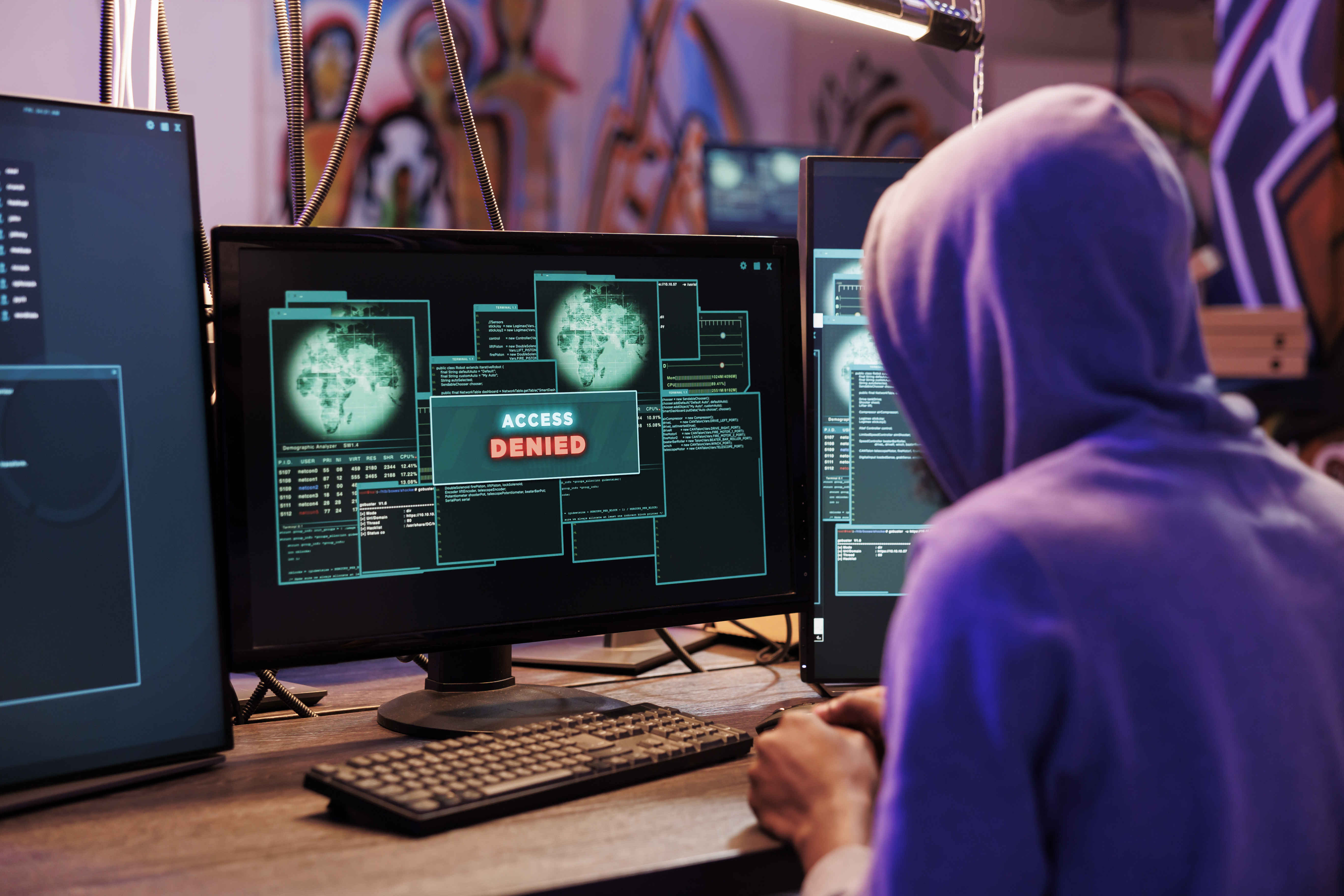
Ransomware is one of the most disruptive cyber threats businesses face today. Once associated mainly with large corporations, these attacks now affect organizations of every size and across nearly every industry. For Fort Myers businesses, preparing for a cyber incident is an important part of protecting day-to-day operations, sensitive information, and long-term stability.
The consequences of ransomware can reach far beyond a ransom demand. An attack may shut down systems, interrupt customer service, expose important data, and create significant recovery costs. As these threats continue to grow, business owners should understand the risks, take practical cybersecurity precautions, and consider how business insurance and cyber coverage may support their response.
Why Ransomware Is a Growing Business Threat
Ransomware attacks have increased in both frequency and severity. Businesses in the United States have experienced a large share of cyberattacks in North America, while average ransom demands have climbed above $1 million. Even when a company does not pay a ransom, the expense of restoring systems, recovering data, and managing downtime can be substantial.
Manufacturing, technology, and retail have been among the industries hit especially hard, but ransomware is not limited to those sectors. Cybercriminals also target smaller companies that may have fewer cybersecurity resources available. A meaningful portion of cyber breaches now affects businesses with fewer than 1,000 employees.
This changing threat landscape makes cybersecurity an essential risk-management concern for every organization. Whether a company relies on business insurance, commercial auto insurance, or other coverage to protect its operations, digital security should be part of the overall protection strategy.
How a Ransomware Attack Can Affect Operations
A ransomware incident can bring business activity to an immediate halt. Employees may lose access to the systems they need, routine work may be delayed, and customer service can be affected. The organization may then need to dedicate considerable time and resources to investigating the event and restoring critical technology.
The financial impact often extends well beyond the initial disruption. Costs may include forensic investigation, data restoration, system recovery, and losses related to interrupted operations. A business can also experience reputational harm if customers or partners question its ability to safeguard sensitive information.
Because the damage can continue long after the initial attack, prevention and preparedness matter. Building stronger cybersecurity practices before an incident occurs can help reduce exposure and support a more organized recovery if a threat is discovered.
Cybersecurity Measures Businesses Should Prioritize
No single safeguard can remove all ransomware risk. However, several practical measures can strengthen a company’s defenses and reduce the chance that an attack will cause extensive damage.
Use Multi-Factor Authentication
Multi-factor authentication, often called MFA, is one of the most effective security measures a business can adopt. It requires users to confirm their identity through more than one method before they can access an account or system.
Using MFA for every remote access point adds an important barrier against unauthorized entry. It is widely regarded as a high-impact cybersecurity improvement because it helps protect systems even if login credentials are compromised.
Keep Technology Updated
Older software can leave known security weaknesses open for attackers to exploit. Installing updates and security patches on a regular basis helps close those gaps and improves the protection of business systems.
Businesses should establish a dependable process for monitoring updates to operating systems, applications, and other essential technology platforms. Ongoing maintenance is a practical way to limit exposure to ransomware and other cyber threats.
Train Employees Regularly
Technology is important, but it cannot stop every cyberattack on its own. Employees can play a major role in recognizing a potential threat before it becomes a more serious business interruption.
Regular cybersecurity awareness training helps team members spot suspicious emails, unexpected login requests, and other signs of malicious activity. When employees understand common attack methods, they are better positioned to respond carefully and report concerns promptly.
Maintain Secure Off-Site Backups
Reliable backups are among the most valuable resources available after a ransomware event. Still, backups must be properly maintained to provide meaningful protection during recovery.
Effective backups should be kept offline or off-site, protected from unauthorized changes, and tested through regular recovery exercises. Businesses should also confirm that backups include the critical data and operational functions needed to resume normal activity.
Review Access Controls Carefully
Restricting access to the systems and information each employee truly needs can reduce risk across the organization. Limiting unnecessary permissions makes it harder for unauthorized activity to spread through business networks.
Access rights should be reviewed consistently, especially when employees change positions or leave the company. Removing unneeded access promptly and watching for unusual account activity can strengthen overall security.
What to Do When Ransomware Is Suspected
Even businesses with thoughtful cybersecurity practices can become targets. A clear response can help limit the damage and support the recovery process.
If ransomware is suspected, isolate affected devices from the network as quickly as possible. Disconnecting network cables or turning off Wi-Fi can help prevent the threat from reaching additional systems. In general, avoid shutting affected devices down, since doing so could erase forensic information that may be useful during an investigation.
Businesses should notify appropriate internal stakeholders, communicate with relevant partners when necessary, and contact local law enforcement for guidance on next steps. A prompt, coordinated response can make a meaningful difference during a cyber incident.
How Cyber Insurance Supports Business Protection
Strong cybersecurity measures are essential, but they cannot promise that an attack will never happen. Cyber insurance can be an important part of a broader protection plan for companies facing ransomware and other digital risks.
Commercial cyber insurance may help a business manage financial and operational challenges following a ransomware attack. Depending on the coverage, it can assist with expenses related to recovery work, data restoration, and other costs connected to responding to a cyber event.
At Mr Auto Insurance, our independent insurance agents in Fort Myers help local businesses evaluate protection needs with personalized service and multiple carrier options. Alongside other business insurance needs, such as commercial auto insurance, cyber coverage can help create a more complete risk-management strategy.
Ransomware threats continue to change, which makes preparation one of the most valuable defenses. Contact Mr Auto Insurance to review your business insurance options and discuss coverage that can help support your company after a cyber incident.

100 Days Left: Is Your Insurance Keeping Pace?
Ransomware Risks and Business Protection in Fort Myers